

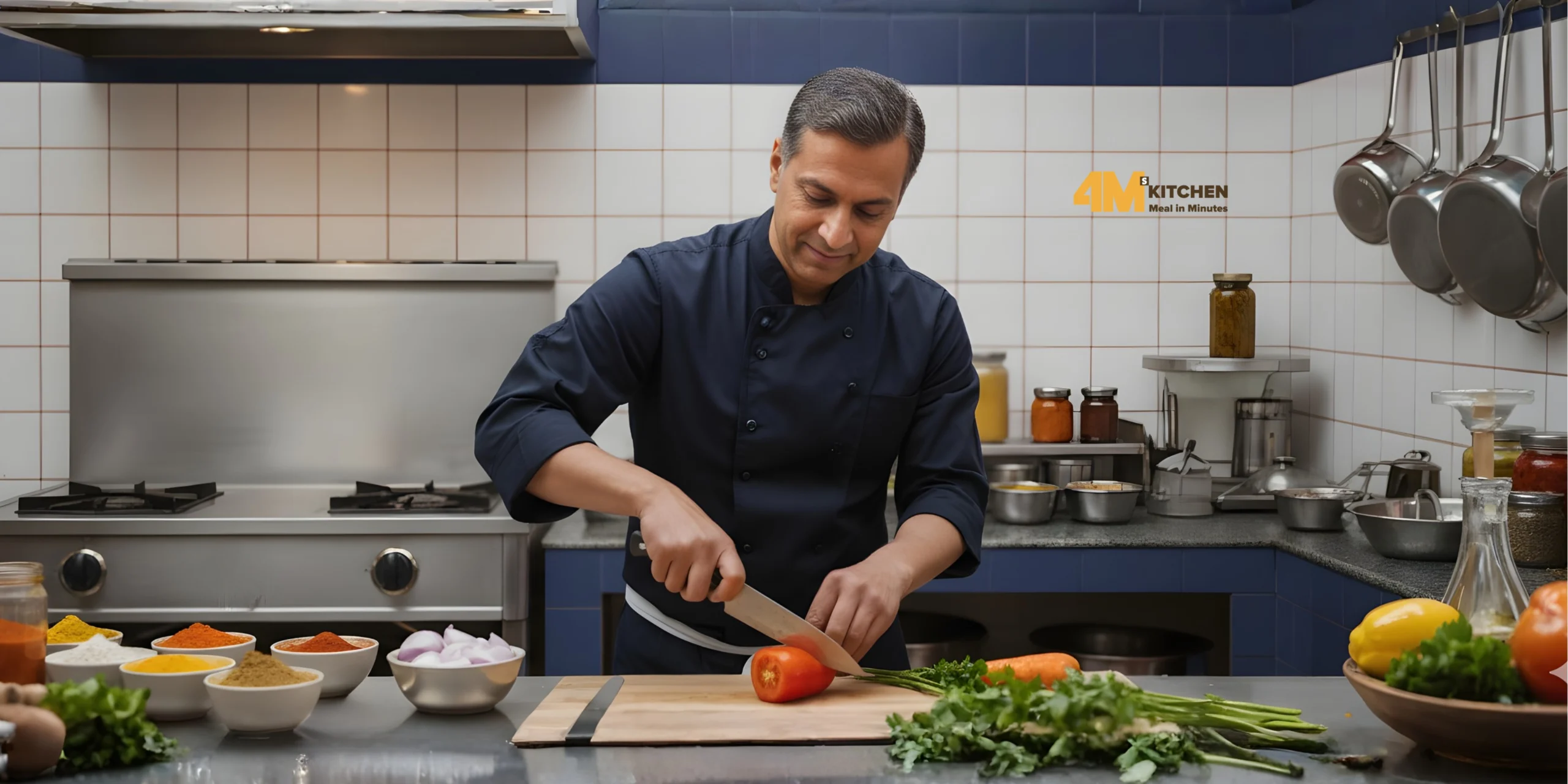
Setting up a Quick Service Restaurant (QSR) franchise is a thrilling idea, especially given the growing need for fast, fresh, and reliable meal experiences. However, every profitable QSR has a functional kitchen and a simple operational system. Whether you’re opening your first location or growing your franchise portfolio, the foundation you build today will impact your speed, consistency, and customer satisfaction for years to come.
Here’s an in-depth guide for developing the ideal kitchen setup and operating structure for long-term profitability and efficiency.
1. Begin with the Right Kitchen Layout
A QSR kitchen depends on speed, which is achieved through smart design rather than rushed work.
1. Select the Suitable Workflow Style
Most successful QSR brands use one of the following layouts:
- Assembly Line Layout: Ideal for bhakhri pizza, wraps. Each station completes one process, offering consistency and quick production.
- Zone-Based Layout: Ideal for menus with multiple sections. Cooking, preparation, assembling, and washing all have designated areas.
2. Plan for Space Efficiency
- Separate hot and cold sections
- Easy delivery pick-up space near the assembly counter
- Accessible storage zones
A clutter-free kitchen lowers errors, improves hygiene, and keeps operations running efficiently during peak hours.
2. Invest in the Proper Equipment
Quality equipment is not an expense; it is an investment in safety, consistency, and efficiency.
1. Checklist for Essential Equipment
- Commercial Stove / Griller / Fryer
- Refrigeration Systems for raw and prepared items
- Prep Tables with chillers
- Exhaust System with proper ventilation
- Mixers and Cutting Tools
- POS System for order efficiency
- Fire Safety Equipment
2. Choose Energy-Efficient Machines
Energy-efficient appliances reduce long-term costs and are far more reliable during rush hours.
3. Establish a Strong Pre-Preparation System
A profitable QSR is built before service hours, not during them.
1. Standardised Mise-en-Place (Pre-Prep)
- Pre-cut, marinate, blend, and portion ingredients in advance
- Create recipe cards for every item
- Label and store materials with date and time
- Maintain backup stock for peak hours
Strong pre-prep ensures consistent taste, faster delivery, and reduced food wastage.
4. Develop Clear SOPs (Standard Operating Procedures)
SOPs are the backbone of any QSR, ensuring stability and uniformity.
1. Important SOP Areas
- Recipe and portion control
- Hygiene and sanitisation
- Opening and closing checklists
- Inventory management
- Food handling standards
- Customer service and packaging guidelines
Training every staff member on these SOPs ensures predictable output, which builds trust and repeat customers.
5. Hire and Train the Right Team
Your team influences the customer experience more than your menu.
1. Qualities to Look for While Hiring
- Speed and multitasking
- Cleanliness
- Good communication
- Discipline
- Ability to learn SOPs
2. Training Is Non-Negotiable
Training should cover:
- Kitchen workflow
- Equipment handling
- Recipe consistency
- Safety and hygiene
- Customer interactions
A trained team reduces errors, maintains quality, and ensures smooth operations during busy hours.
6. Set Up a Strong Inventory and Cost Control System
Even a crowded QSR can fail without strong cost control.
1. Daily and Weekly Inventory Checks
- Track stock movement
- Monitor wastage
- Compare actual vs ideal usage
- Maintain reorder levels
2. Apply Technology
A good POS system with inventory software helps:
- Forecast demand
- Prevent theft
- Reduce overbuying
- Maintain freshness
With strong inventory control, your food cost stays between 28–32%, the ideal range for QSR profitability.
7. Prioritise Hygiene and Food Safety Standards
Customers trust QSRs with clean kitchens and safe food handling.
1. Non-Negotiable Hygiene Rules
- Use hairnets, gloves, and clean uniforms
- Sanitise surfaces every 30 minutes
- Store raw and cooked food separately
- Maintain temperature logs
- Use colour-coded chopping boards
A clean kitchen builds your brand reputation and ensures repeat customers.
8. Implement Fast and Error-Free Order Management
Speed is important, but accuracy is even more important.
1. Boost Your Order Flow
- Keep assembly close to dispatch
- Double-check orders before sealing
- Use quality packaging for temperature control
- Create a separate rider pick-up point
Efficient order flow leads to happy customers and fewer complaints.
9. Evaluate Performance and Improve Frequently
Track weekly:
- Food cost
- Wastage
- Preparation time
- Customer reviews
- Staff performance
- Top and low-performing items
Use these insights to improve your workflow, systems, and menu.
10. Create Strong Vendor Partnerships and a Reliable Supply Chain
Your QSR runs smoothly only when raw materials are consistent in quality, price, and availability.
1. Key Steps to Strengthen the Supply Chain
- Choose reliable vendors
- Maintain backup suppliers for key ingredients
- Set clear delivery schedules
- Audit vendor quality regularly
- Track price fluctuations
- Build long-term partnerships
A strong supply chain ensures your kitchen runs seamlessly, your food quality stays consistently high, and your profit margins remain protected.
At 4M’s Kitchen, we believe that a profitable QSR franchise is built on well-structured systems, smart kitchen planning, skilled staff, and disciplined operations. When your backend is strong, the customer experience naturally becomes smooth, fast, and truly memorable.
If you’re ready to set up a profitable QSR franchise or need expert guidance for kitchen planning and operations, 4M’s Kitchen is here to help.